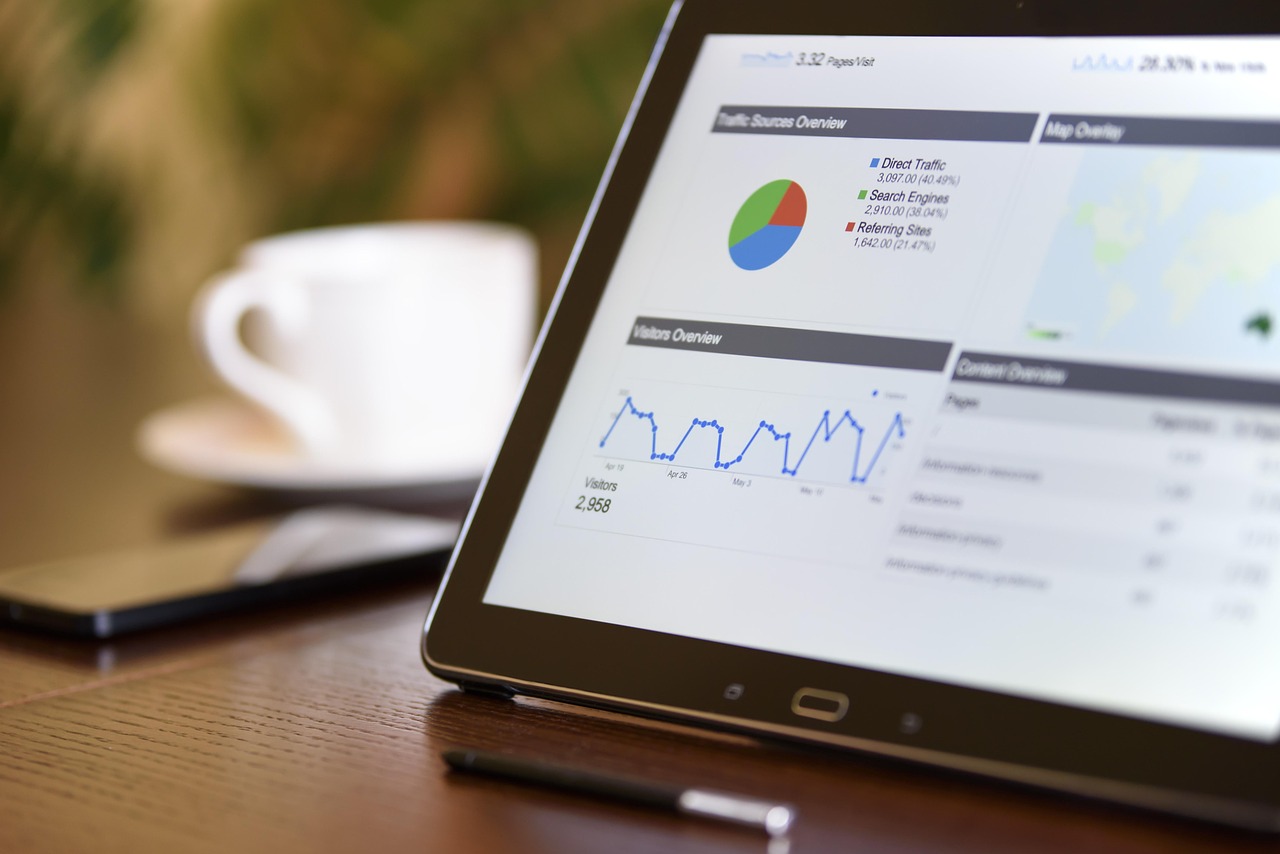
Social media platforms offer marketers a powerful arena to engage audiences and drive brand awareness. Yet, understanding analytics and tracking across these diverse channels can be a significant challenge. Without accurate data and insightful analysis, campaign success remains unpredictable. This article explores the essential tools and techniques for effective social media analytics and tracking, empowering marketers to measure performance, optimize strategies, and ultimately achieve better results. We'll examine the intricacies of setting up analytics solutions, understanding user behavior, ensuring privacy and ethical practices, and leveraging advanced analytics for informed decision-making.
- Understanding Social Media Analytics: Tools & Metrics
- Defining Campaign Goals: Key Performance Indicators (KPIs)
- Setting Up Tracking: Pixel, Tags, and Integrations
- Data Collection: Understanding Reach, Engagement, and Conversions
- Analyzing Performance: Insights for Optimizing Campaigns
- Reporting and Iteration: Improving Strategy with Data-Driven Decisions
Understanding Social Media Analytics: Tools & Metrics

Social media analytics tools are crucial for marketers to measure campaign success across various platforms. Effective analytics and tracking for marketers involve understanding user behavior, engagement rates, and the impact of marketing efforts. This section examines the essential tools and metrics that power local marketing analytics services, enabling data-driven decisions that boost campaign performance.
When selecting or utilizing social media analytics tools, consider the following. Google Analytics remains a popular choice for its comprehensive reporting and robust features, though platforms like Matomo and Adobe Analytics offer enhanced privacy controls, making them attractive options in light of growing data privacy concerns, such as the GDPR and CCPA. These tools provide insights into user interactions, conversion paths, and heatmaps, allowing marketers to optimize content and design for maximum engagement.
best google analytics training for marketers can equip professionals with the skills to interpret complex data, identify trends, and implement data-informed strategies. Reliable digital tracking solutions, whether through these established platforms or others, are essential for tracking key metrics such as the engagement rate, which measures the level of user interaction with a post or ad. By analyzing these metrics, marketers can refine their strategies, segment audiences, and tailor content to specific user preferences, thereby increasing the likelihood of campaign success.
Advanced analytics techniques like real-time data analysis and sentiment analysis play a pivotal role in immediate performance evaluation and understanding public perception. Integrating analytics integration and workflow automation into marketing campaigns allows for seamless data flow and faster decision-making processes. Mastering social media analytics tools and their associated metrics is paramount for marketers to stay competitive in today's digital landscape.
Defining Campaign Goals: Key Performance Indicators (KPIs)
Defining Campaign Goals: Key Performance Indicators (KPIs)
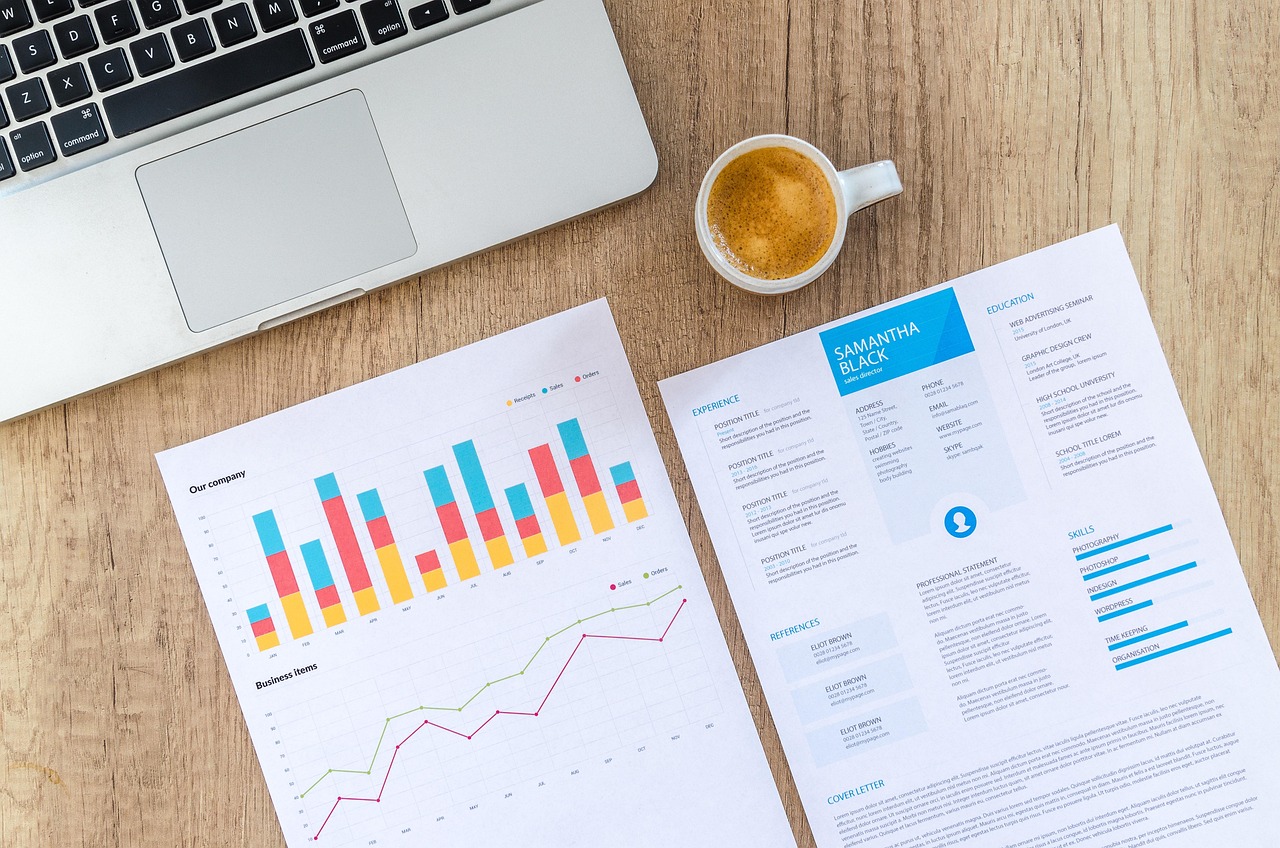
Setting clear and measurable campaign goals is the cornerstone of successful marketing. Analytics and tracking for marketers isn't just about looking at raw data; it's about interpreting that data to set specific, achievable, and quantifiable KPIs. These goals should align with your broader business objectives, whether that's increasing brand awareness, driving traffic to your website, or generating leads. If your goal is to boost online sales, your KPIs might include conversion rate, average order value, and customer lifetime value.
Experienced marketing data analysts understand that the right KPIs depend on your platform and campaign type. For social media marketing, near me marketing tracking services can help measure engagement rates, reach, and sentiment analysis, providing valuable insights into how your audience interacts with your brand. Affordable analytics tracking for marketers is widely available, with tools like Google Analytics, Matomo, and Adobe Analytics offering robust yet budget-friendly options. These platforms allow you to track user interactions, conversion paths, and even real-time data to gain instant insights.
When defining KPIs, consider the following: first, what are the most important aspects of your campaign? Second, what data points can you measure that will indicate success? If your campaign focuses on building brand loyalty, your KPIs might include social media mentions, follower growth, and customer retention rates. By setting these KPIs, you can accurately assess the performance of your campaign and make data-driven adjustments as needed.
Selecting the Right Platform: Analytics for Each Network

When selecting the right social media analytics tool, marketers must consider the unique tracking needs of each platform. While affordable analytics tracking for marketers is essential, a one-size-fits-all solution rarely delivers the most accurate insights. Each social media network-from Facebook and Instagram to Twitter and LinkedIn-has its own idiosyncrasies, requiring tailored measurement approaches. Instagram's emphasis on visual content necessitates tracking metrics like engagement rates on posts and Stories, while LinkedIn's professional focus may demand deeper examines B2B-specific metrics.
Trusted web analytics consulting can guide marketers in choosing licensed marketing tracking software that aligns with each platform's data-gathering capabilities. A reputable consulting service will help tailor analytics solutions to specific platforms, ensuring that every click, like, share, and comment is accurately tracked and interpreted. This level of customization not only improves the accuracy of analytics and tracking for marketers but also helps in making data-driven decisions that enhance campaign performance.
A B2C retailer focusing on Instagram might utilize a licensed tracking software that offers granular insights into visual content performance, while a B2B company targeting LinkedIn could benefit from advanced reporting that highlights industry-specific trends. By leveraging the right analytics tool for each network, marketers can gain valuable insights into user behavior, identify successful campaign strategies, and optimize future efforts, ultimately driving better ROI across all social media platforms.
Setting Up Tracking: Pixel, Tags, and Integrations

Setting up tracking for social media campaigns is a crucial step for marketers looking to measure success across platforms. Experienced marketing data analysts emphasize the importance of implementing tracking solutions that provide accurate, real-time data. This involves integrating analytics tools with your website and social media channels, a process that can seem daunting but is essential for gaining valuable insights.
The first step in analytics and tracking for marketers is selecting the right tools. Tools like Google Analytics, Matomo, and Adobe Analytics offer robust event tracking and heatmap capabilities, enabling marketers to understand user behavior and interactions. Matomo's open-source nature makes it an affordable option, appealing to businesses seeking budget-friendly analytics tracking. These platforms allow marketers to define custom events, such as button clicks or video plays, to capture specific user actions.
Once the tools are chosen, the next critical step is installing the necessary tracking code, often in the form of a pixel or tags. This code snippet is placed within the website's HTML to collect data and send it to the analytics platform. Digital analytics experts recommend testing the tracking setup thoroughly before launching campaigns to ensure data accuracy. Checking that event tracking is working correctly and that data is flowing as expected from the website to the analytics dashboard is crucial. Nearby digital analytics experts can offer assistance in setting up tracking, ensuring it's done correctly from the outset.
Integrating analytics tools with social media platforms is vital for comprehensive campaign monitoring. Social media analytics tools provide unique metrics, such as engagement rates and sentiment analysis, allowing marketers to gauge the performance of their social media efforts. By linking these tools to your website analytics, you can trace the entire customer journey, from initial engagement on social media to conversion on your site. This holistic view empowers marketers to make data-driven decisions, optimize campaigns, and ultimately improve overall marketing effectiveness.
Data Collection: Understanding Reach, Engagement, and Conversions

Data collection is a cornerstone of analytics and tracking for marketers, providing the raw materials for insights that drive effective strategies. When evaluating social media campaign success, understanding key metrics like reach, engagement, and conversions is essential. These metrics offer a comprehensive view of user interaction, from initial exposure to final purchase.
Consider a retail brand running a social media ad campaign. By tracking reach, they can gauge how many unique users encountered their ads. Engagement metrics, such as click-through rates (CTRs), reveal user interest-a high CTR indicates compelling content, while a low CTR may signal a need to refine messaging. Conversions, the ultimate goal, measure successful customer actions, whether purchases or sign-ups. A reliable digital tracking solution, like Google Analytics, can provide real-time data on these conversions, enabling marketers to quickly adapt campaigns for maximum impact.
The best Google Analytics training for marketers equips them to leverage these metrics effectively. Training should cover setting up event tracking to capture specific user behaviors, such as video plays or form submissions, providing granular insights. Same-day website tracking setup is crucial for immediate campaign optimization. Marketers can monitor live data, making adjustments based on actual user interactions, ensuring each dollar spent on advertising yields tangible results. By combining these data-driven practices with advanced analytics tools, marketers can transform raw data into actionable intelligence, transforming social media campaigns from guesswork to calculated risk.
Analyzing Performance: Insights for Optimizing Campaigns

Analyzing performance is a crucial step in optimizing social media campaigns. Marketers need robust tools to track and measure the impact of their efforts across various platforms. Certified analytics for marketers play a pivotal role in interpreting data, identifying trends, and making data-driven decisions. Experienced marketing data analysts leverage analytics and tracking techniques to uncover insights that can significantly enhance campaign performance.
A trusted web analytics consulting firm might employ advanced tools like Google Analytics, Matomo, or Adobe Analytics to gather comprehensive data on user behavior. By setting up event tracking, they can monitor specific actions taken by visitors, such as clicks, form submissions, or video plays. This granular level of tracking allows for a deeper understanding of user interactions and helps in mapping out conversion paths. Heatmaps, another powerful tool, visually represent user behavior by highlighting areas of focus and points of abandonment, providing valuable insights for optimizing website layouts and content placement.
Privacy and ethical considerations, as outlined by regulations like GDPR and CCPA, must be integrated into the analytics process. Obtaining user consent and ensuring data privacy are essential for maintaining trust. Advanced analytics techniques, such as real-time data processing and instant insights, enable marketers to make swift adjustments to their strategies. By analyzing campaign performance in real-time, they can quickly identify what's working and what isn't, allowing for more efficient resource allocation and improved results. A marketing automation platform can use these insights to automate lead scoring and workflow optimization, streamlining the lead nurturing process.
Leveraging the right social media analytics tools empowers marketers to make informed decisions, optimize campaigns, and achieve better results. By combining robust tracking methods with strategic analysis, certified professionals can help businesses maximize their social media investments and stay ahead of the competition.
Reporting and Iteration: Improving Strategy with Data-Driven Decisions

Marketers today face a crowded digital landscape, making it crucial to leverage data-driven insights for effective campaign management. Analytics and tracking for marketers aren't just about gathering numbers; they're a strategic imperative that enables local marketing analytics services to optimize performance, refine messaging, and ultimately drive better results. By integrating analytics into their decision-making process, businesses can identify what's working, what's not, and make iterative adjustments in real-time.
A small business launching a new social media campaign can use analytics tools to track engagement rates, identify peak audience times, and analyze the sentiment behind user comments. This real-time data provides instant insights into campaign effectiveness, allowing them to adjust their strategy on the fly. Certified analytics for marketers are invaluable here, ensuring data is interpreted correctly and actionable insights are derived. These insights might lead to shifts in content focus, target audience segmentation, or even budget allocation, all based on concrete evidence rather than guesswork.
Cost-effective analytics solutions, such as open-source tools like Matomo or user-friendly platforms designed for small businesses, empower organizations to gain valuable intelligence without breaking the bank. By focusing on what matters most - key performance indicators (KPIs) relevant to their specific goals - small businesses can make informed choices that drive growth. Iterative reporting becomes a cornerstone of their marketing strategy, allowing them to adapt quickly to market changes and stay ahead of the competition.
Frequently Asked Questions About Social Media Analytics Tools: Measuring Campaign Success Across Platforms
What are social media analytics tools and why are they important for campaign success?
Social media analytics tools are software solutions designed to track, analyze, and report on the performance of social media campaigns. They're crucial because they provide data-driven insights into what's working, what's not, and where adjustments can be made. By understanding key metrics like engagement rates, reach, and conversions, businesses can optimize their content, target audiences more effectively, and ultimately achieve better results.
How do I choose the right social media analytics tool for my needs?
The best tool depends on your specific needs. Consider factors like: your budget, the platforms you use, the type of data you want to track (e.g., engagement, conversions, brand sentiment), and your level of technical expertise. Some tools offer all-in-one solutions, while others specialize in specific aspects like influencer marketing or content performance. Research different options, read reviews, and demo tools to find the one that best aligns with your goals.
What key metrics should I track to measure campaign success?
The most important metrics depend on your campaign objectives. Some essential metrics include:
- Engagement Rate: Measures user interaction (likes, comments, shares, clicks) on your posts.
- Reach: The number of unique users who have seen your content.
- Click-Through Rate (CTR): The percentage of users who click on a link in your post.
- Conversions: Measured by tracking desired actions (purchases, sign-ups, downloads) resulting from your social media activity.
- Brand Sentiment: Analyzing public opinion about your brand through comments, reviews, and mentions.
Can social media analytics tools help with content strategy?
Absolutely. Analytics tools provide valuable insights into what type of content performs best on different platforms. By analyzing post formats, topics, and timing, you can refine your content strategy to create more engaging and effective posts. Tools can also help you identify content gaps and trends, keeping your content fresh and relevant.
How can I integrate social media analytics into my existing marketing strategy?
Integrate analytics by setting clear goals for your social media campaigns, aligning them with your overall marketing strategy. Regularly review analytics data to measure progress against these goals. Use insights from analytics to adjust your content, targeting, and overall approach.
Are there any free social media analytics tools available?
Yes, several free tools offer basic analytics features. However, many advanced functionalities and detailed reporting require paid plans.
How often should I analyze my social media data?
Regular analysis is key. Daily or weekly checks can help you stay on top of trends and make timely adjustments. Monthly and quarterly reviews allow for a broader perspective and the opportunity to refine your long-term strategy.
This practical guide has equipped marketers with a powerful toolkit for understanding social media analytics and tracking. From understanding the fundamental metrics and KPIs to selecting the right platform and setting up intricate tracking systems, each step is meticulously outlined. Marketers now possess the knowledge to collect and analyze data effectively, uncovering valuable insights that drive campaign optimization. By leveraging these analytics tools, businesses can make data-driven decisions, iterate strategies, and ultimately measure success across diverse social media platforms. This article serves as a reliable authority, ensuring marketers are equipped to harness the full potential of analytics and tracking for their campaigns.
Marketers need analytics and tracking for marketers to measure social media campaign success. This involves understanding user behavior, engagement, and conversions using tools like Google Analytics, Matomo, and Adobe Analytics. Key metrics include reach, engagement rates, and conversions. Data-driven insights from these tools help refine campaigns, optimize content, and improve performance. Certified professionals interpret data, making data-informed decisions and staying competitive in a crowded digital landscape. Cost-effective solutions are available for businesses of all sizes.