
The success of mobile apps hinges on understanding and optimizing user behavior within the app's environment. Analytics and tracking for marketers play a pivotal role in this process, providing insights that drive app improvements and marketing strategies. However, the challenge lies in effectively capturing and interpreting user interactions without infringing on privacy. This article examines the world of mobile app analytics, exploring tools and techniques that empower marketers to track user behavior, identify engagement patterns, and make data-driven decisions. We'll discuss privacy considerations, advanced analytics methods, and how to leverage these insights for enhanced app performance and user retention.
- Understanding In-App Analytics: Essential Metrics for Marketers
- Defining User Behavior: Identifying Key Engagement Actions
- Setting Up Tracking: Essential Tools for Accurate Data
- Analyzing User Flow: Mapping Their Journey Within the App
- Segmenting Audiences: Personalized Insights for Better Marketing
- Interpreting Data: Uncovering Patterns for Strategic Decisions
- Optimizing for Growth: Using Analytics to Enhance User Engagement
Understanding In-App Analytics: Essential Metrics for Marketers

In-app analytics is a crucial tool for marketers to understand user behavior and engagement within mobile applications. Unlike website analytics, which focuses on external interactions, in-app analytics examines the specific user journeys, events, and conversions that occur within the app itself. Essential metrics include tracking user interactions, monitoring conversion paths, and analyzing heatmaps to identify popular features and areas of interest. By utilizing these insights, marketers can optimize their strategies, ensuring that each tap, swipe, and scroll contributes to a meaningful user experience.
A marketing team can employ event tracking to monitor button clicks, form submissions, and in-app purchases, allowing them to pinpoint high-performing marketing campaigns and refine underperforming ones. Advanced analytics techniques, such as real-time data analysis and instant insights, empower marketers to make data-driven decisions quickly. A sudden surge in user engagement during a specific time frame could indicate the success of a flash sale or a bug that requires immediate attention. Integrating analytics with marketing automation can streamline workflows, enabling automated lead scoring and personalized follow-ups based on user behavior.
When selecting analytics and tracking services, marketers should consider options that cater to their specific needs, especially when dealing with sensitive user data. Affordable analytics tracking for marketers, such as Matomo or open-source solutions, offers a cost-effective alternative to enterprise-level tools. These services can be particularly beneficial for small businesses or startups looking to optimize their apps without breaking the bank. Emergency website analytics solutions, while not directly focused on in-app analytics, can provide a fallback for rapid data collection and analysis, ensuring that no opportunity for user understanding is missed. The goal is to create a comprehensive view of the user, leading to more targeted and effective marketing strategies.
Defining User Behavior: Identifying Key Engagement Actions

Defining user behavior is a critical aspect of mobile app analytics, as it allows marketers to understand what actions users take within the app, providing insights into engagement levels and overall user satisfaction. Key engagement actions are those interactive behaviors that indicate active user interest and involvement. By identifying and tracking these actions, marketers can gain valuable data to inform app design, marketing strategies, and user retention efforts.
Within an e-commerce app, key engagement actions could include adding items to a shopping cart, initiating a checkout process, or completing a purchase. In a content-based app, users might interact by sharing articles, commenting, or subscribing to newsletters. These specific actions serve as metrics that indicate user interest and participation, enabling marketers to measure the success of various app features and content. Affordable analytics tracking for marketers, like Google Analytics or Matomo, allows businesses to set up same-day website tracking, providing real-time insights. By integrating these tools, small businesses can gain valuable data without breaking the bank, ensuring cost-effective analytics despite limited resources.
Effective analytics and tracking for marketers involve a combination of event tracking and heatmap analysis. Event tracking records specific user interactions, such as button clicks or form submissions, providing a detailed view of user behavior. Heatmaps, visual representations of user interactions, offer a broader perspective by showing popular areas of engagement on a page or screen. Marketers can use this data to optimize app design, ensuring that key actions are easily accessible and visually prominent.
Privacy and ethical considerations, such as GDPR and CCPA, play a significant role in user behavior analytics. Marketers must obtain user consent for data collection and ensure that tracking practices adhere to legal and ethical standards. By respecting user privacy, businesses can foster trust and maintain a positive reputation, ensuring long-term engagement and loyalty.
Setting Up Tracking: Essential Tools for Accurate Data

Setting up tracking for accurate data collection is a foundational step in mobile app analytics. Marketers need reliable tools to monitor user behavior and engagement within their apps, and the right analytics and tracking solutions can offer invaluable insights. Top-rated marketing analytics tools like Google Analytics, Matomo, Adobe Analytics, and others provide robust event tracking, enabling marketers to understand user interactions and conversion paths. Matomo offers open-source tracking with a user-friendly interface, while Adobe Analytics delivers advanced real-time data and instant insights, catering to different marketing needs and budgets.
The process begins with defining the events you want to track-from button clicks to form submissions-and setting up the tracking code within your app's codebase. Affordable analytics tracking for marketers is readily available, with many solutions offering same-day website tracking setup, ensuring quick implementation. This rapid setup allows marketers to begin collecting data promptly, which is crucial for identifying pain points and optimizing user experiences. Marketers should consider the level of customization, data privacy measures, and reporting capabilities when choosing an analytics tool, aligning these factors with their specific business goals.
Privacy and ethical considerations are paramount in analytics and tracking for marketers. Regulations such as GDPR and CCPA require explicit user consent for data collection, influencing the design of your tracking setup. Marketers must ensure compliance by implementing opt-in mechanisms and providing clear privacy policies, fostering user trust. By integrating analytics tools seamlessly and prioritizing user privacy, marketers can leverage accurate data to enhance app performance and drive better engagement.
Analyzing User Flow: Mapping Their Journey Within the App

Analyzing user flow is a critical aspect of understanding how users interact with your mobile app, providing invaluable insights for marketers. This involves mapping the user journey, from initial onboarding to in-app actions and exits, to identify pain points and areas of high engagement. By employing analytics tools like Google Analytics, Matomo, or Adobe Analytics, you can track user behavior through events, interactions, and conversions. Heatmaps can visually represent user movements, clicks, and dwell times, offering immediate feedback on popular and neglected sections of your app.
Effective user flow analysis allows marketers to make data-driven decisions, optimizing the app layout and functionality. It helps identify drop-off points, where users abandon their intended path, and understand the conversion funnel. If a significant number of users leave after signing up but before completing a profile, this could indicate a problem with the registration process. Certified analytics for marketers can help interpret these patterns, ensuring your app's design supports user goals and encourages conversions. The process involves setting up event tracking to measure specific actions, such as button clicks, form submissions, or content views, providing a clear view of user behavior.
Privacy and data ethics are essential considerations in user flow analysis. With regulations like GDPR and CCPA, obtaining user consent and ensuring data security are paramount. Affordable analytics tracking solutions empower marketers to gather insights without compromising privacy. By integrating analytics into marketing campaigns, you can gain instant insights into campaign performance, allowing for real-time adjustments to improve user engagement. Analyzing social media metrics within your app can reveal the effectiveness of in-app social sharing options, helping you refine your social media analytics strategies.
Segmenting Audiences: Personalized Insights for Better Marketing

Segmenting audiences is a powerful strategy in mobile app analytics, allowing marketers to deliver personalized experiences and improve engagement. By understanding user behavior at a granular level, businesses can create targeted marketing campaigns that resonate with specific user segments. Licensed marketing tracking software, like Google Analytics or Matomo, plays a pivotal role in this process by providing detailed insights into user interactions within the app.
The process begins with defining clear user segments based on various criteria, such as demographics, behavior patterns, or in-app actions. A fitness app might segment users into "regular runners" and "occasional users" based on their activity levels. Once these segments are established, marketers can tailor their strategies accordingly. A trusted web analytics consulting firm might recommend using heatmaps and event tracking to visualize user journeys and identify pain points or areas of interest within the app for each segment.
Experienced marketing data analysts can then examine deeper, uncovering intricate patterns and correlations. They might uncover that "regular runners" spend more time in the app's community forums, while "occasional users" primarily engage with the workout library. This segmentation allows for more precise targeting of marketing campaigns. The fitness app could send personalized push notifications to "regular runners" with challenges and updates, while offering incentives or introductory offers to attract "occasional users" back to the app. By leveraging analytics and tracking for marketers, businesses can create dynamic and responsive marketing strategies that drive user engagement and conversions.
Interpreting Data: Uncovering Patterns for Strategic Decisions

Interpreting data from analytics and tracking for marketers is the key to uncovering actionable insights that drive strategic decisions. Once you've gathered data on user behavior and engagement, the next step is to analyze patterns, trends, and outliers. This process involves examining key metrics such as session duration, page views, conversion rates, and user drop-off points. A surge in user activity during a specific time frame could indicate a successful marketing campaign, whereas a high bounce rate on a particular page might signal a design or content issue.
Niche e-commerce analytics platforms offer specialized tools tailored to the unique needs of online retailers. These platforms provide in-depth insights into customer journeys, product performance, and shopping cart abandonment rates. Certified analytics for marketers can help make sense of complex data sets, ensuring that interpretations are accurate and actionable. By leveraging marketing analytics reviews and ratings, businesses can identify leading solutions that align with their goals and budget constraints. This strategic approach allows marketers to make data-driven decisions that optimize user experience, increase conversions, and ultimately drive revenue growth.
A certified analytics expert might analyze a heatmap to identify a prominent call-to-action (CTA) button that's being overlooked by users. This insight could lead to a redesign of the interface, repositioning the CTA for better visibility. Tracking conversion paths can reveal where users are dropping off in the sales funnel, enabling marketers to implement targeted interventions to improve the overall conversion rate. Integrating analytics data with marketing automation workflows allows for real-time adjustments to campaigns, ensuring that messages and offers resonate with users at every touchpoint.
Optimizing for Growth: Using Analytics to Enhance User Engagement
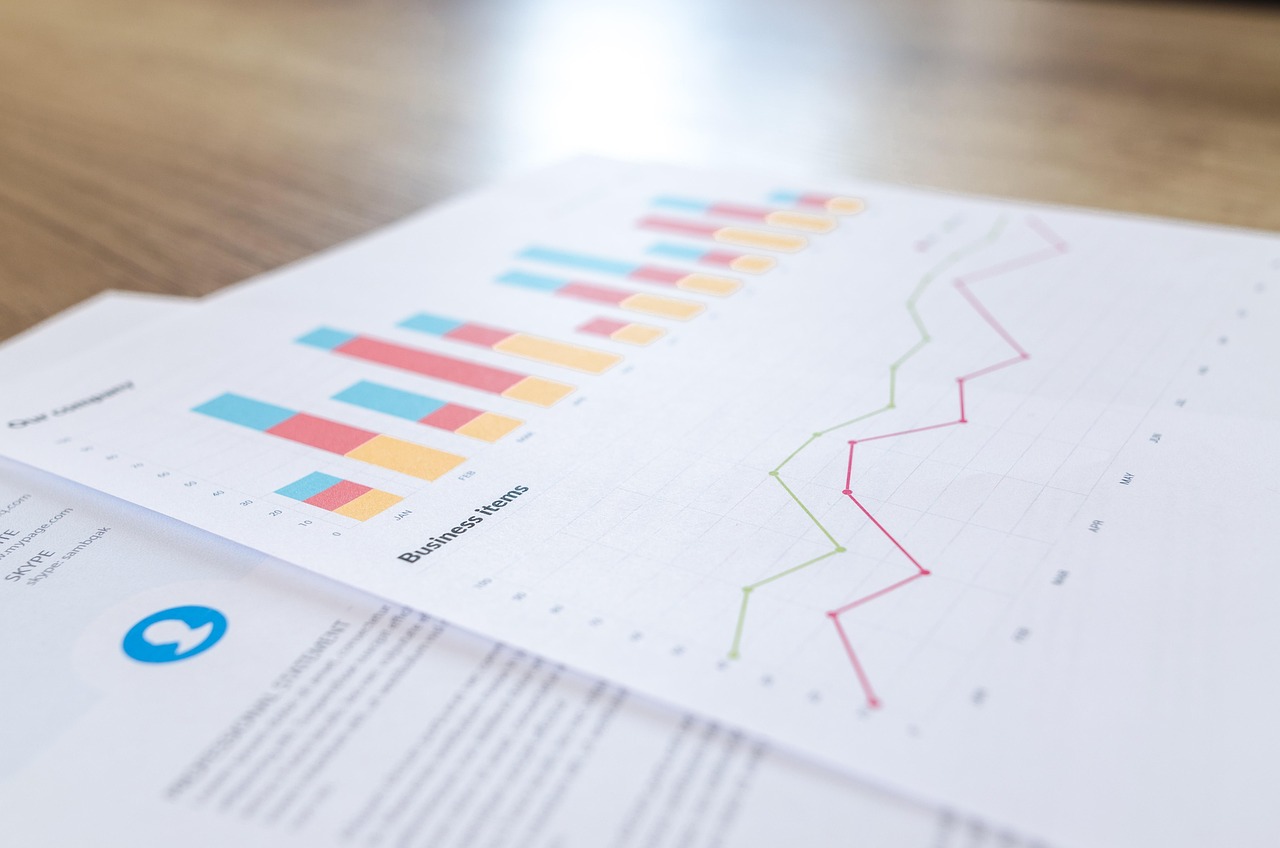
Optimizing user engagement is a key growth strategy for any mobile application. Analytics and tracking for marketers play a pivotal role in achieving this, providing insights into user behavior and interaction patterns. By leveraging top-rated marketing analytics tools like Google Analytics, Matomo, and Adobe Analytics, developers and marketers can gain a comprehensive view of their users' in-app experiences.
Event tracking allows you to monitor specific user interactions, such as button clicks, form submissions, or content views. This data can be used to map out conversion paths, helping you understand the user journey and identify potential drop-off points. Heatmaps, a powerful visual tool, further enhance this understanding by illustrating where users spend the most time and interact the most with your app's interface. This can highlight design issues or reveal underutilized features that could be optimized for better engagement.
Privacy and ethical considerations, such as GDPR and CCPA compliance, are crucial in this context. Obtaining user consent for data collection and ensuring transparent data handling practices are essential to maintaining user trust. Once the groundwork is laid, marketers can leverage real-time data and instant insights to make data-driven decisions. Quickly identifying which marketing campaigns resonate best with users allows for dynamic adjustments to maximize engagement. Nearby digital analytics experts and marketing tracking services can provide tailored support, ensuring that analytics data is effectively integrated into your app's growth strategy.
Through a comprehensive exploration of analytics and tracking for marketers, this article has illuminated the power of in-app user behavior analysis. By understanding key metrics, defining user actions, setting up robust tracking, and interpreting data, marketers can gain valuable insights into their audience's journey within mobile apps. Segmenting audiences allows for personalized marketing strategies, while advanced analytics techniques enable real-time insights and strategic decision-making. The value of these practices is evident in optimizing user engagement, leading to growth and improved marketing effectiveness. Next steps for marketers include integrating analytics into their workflow, leveraging tools like Google Analytics, Matomo, and Adobe Analytics, and ensuring compliance with data privacy regulations like GDPR and CCPA. This data-driven approach, backed by a deep understanding of user behavior, is crucial for success in the competitive mobile app landscape.
Mobile App Analytics: Measuring User Behavior and Engagement
Marketers use in-app analytics to understand user journeys, events, and conversions within mobile apps, optimizing strategies based on data. Essential metrics include tracking interactions, monitoring conversion paths, and analyzing heatmaps. Affordable tools like Matomo and open-source solutions offer cost-effective analytics for small businesses. Privacy considerations, such as GDPR and CCPA, are crucial.
Key engagements actions, defined by user interactions, provide valuable data for app design and marketing. Event tracking and heatmap analysis help identify popular and neglected sections. Segmenting audiences allows for personalized experiences and targeted campaigns. Data privacy and ethical practices are paramount, ensuring user consent and data security.
Interpreting analytics data leads to actionable insights, guiding strategic decisions. Niche e-commerce platforms and certified analytics experts offer specialized tools and support. Real-time data and instant insights enable dynamic campaign adjustments for maximum engagement.